

Aerospace engineering journal
Built to spec. Explained.
Explainers, practical guides and analysis on the way aircraft are designed, machined, welded, inspected and kept in service.
-
Read the latest:
7 Practical Lessons in Industrial Welding From Our Shop Floor
// Precision, explained
Browse by section


About the journal
Plain answers. Real specs.

DCM Aeronautique is an online technical journal about aviation and aerospace engineering, written for the people who design, machine, weld, inspect and maintain aircraft.
Articles are written to inform, not to replace formal documentation. What we try to offer is context: why a requirement exists, what the trade-offs are, and where the common mistakes tend to happen.

By the numbers
Written from public standards, manufacturer documentation and published research, not marketing claims.
Articles published
41+
Technical explainers and guides across the four sections of the journal.
Words of technical writing
45k+
Counted across every article published on the site so far.
From the shop floor to the flight deck.

/01
Aviation Technology
Avionics, fly-by-wire control, flight dynamics, sensor fusion, electric propulsion and newer concepts such as eVTOL aircraft.

/02
Engineering & Machining
How aerospace parts are actually made: 5-axis CNC machining, custom tooling, surface finish, titanium alloys, heavy fabrication and additive manufacturing.
/03
Aircraft Maintenance
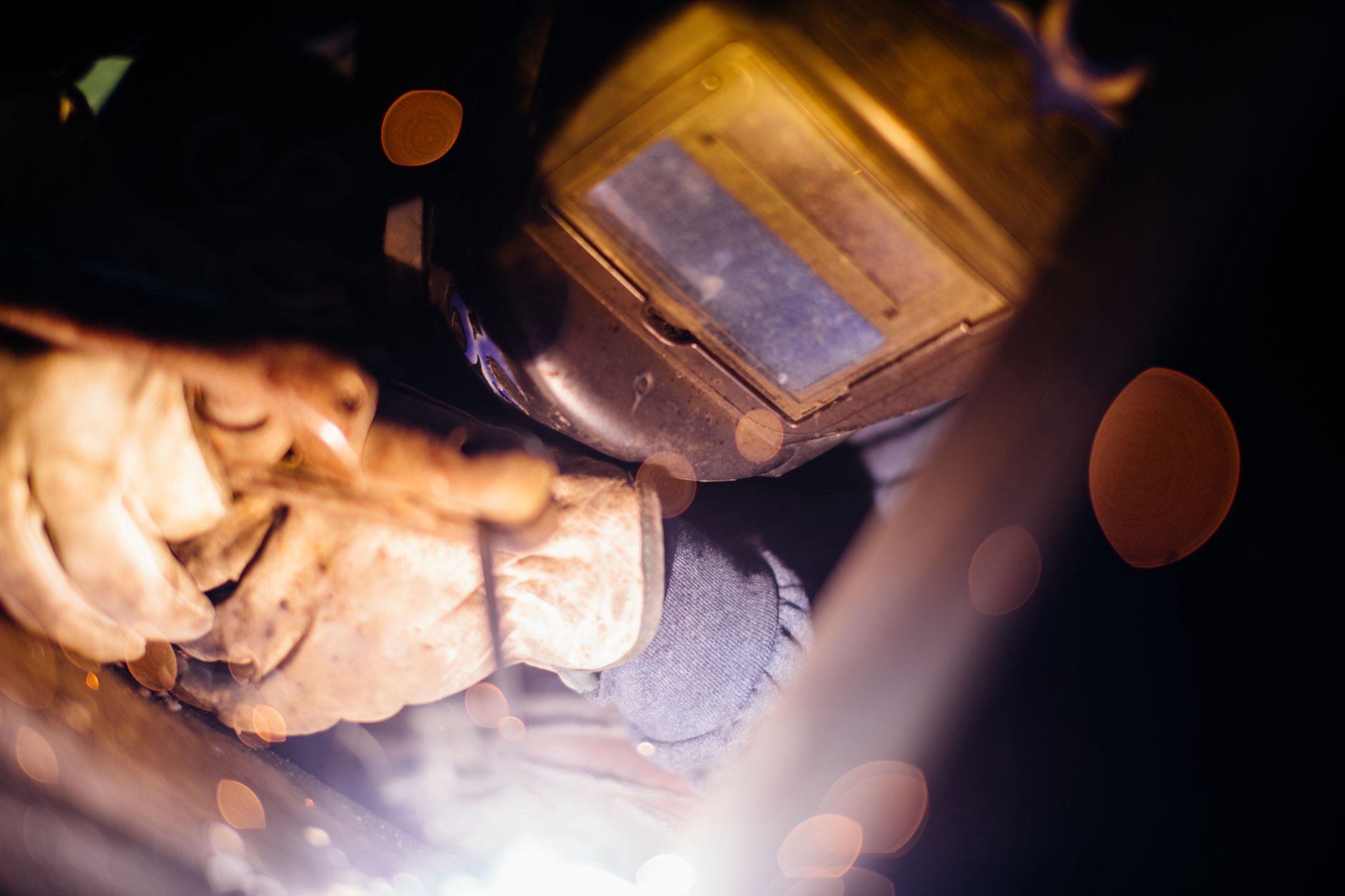
Keeping aircraft and their support equipment in service: structural welding, non-destructive testing, tool calibration, engine stands and predictive maintenance.
/04
Aerospace Insights
The wider-angle view: composites and carbon fibre, digital twins and fleet analytics, hydrogen propulsion roadmaps and the infrastructure the industry will depend on.
-
Featured article
[01 – 01]
Electric Propulsion Systems Sustainable Aviation Tech Guide
Read the article: Electric Propulsion Systems Sustainable Aviation Tech GuideDiscover how electric propulsion systems sustainable aviation breakthroughs transform flight. Explore battery density, motors, and hybrid architectures.
Contribute
Share what you know
Technical readers are the best reviewers we have, and some of the most useful articles start as a reader’s question.
We are open to well-sourced technical pieces. Send a short outline and a few lines about your background before writing a full draft, and we will let you know if it fits.

Newsroom
Latest articles
Still worth reading
From the archive



Got a technical question?
Corrections, topic suggestions and questions about an article all reach the same editorial inbox, and every message is read.